0%

Picking out a sink faucet can actually feel pretty overwhelming, right? With so many options out there, it’s almost like you need a degree just to understand what features to look for. I read somewhere recently—thanks to the Kitchen and Bath Association—that the sink faucet market is expected to grow about 5% each year over the next five years. Crazy, huh? That really shows how much folks are caring about not just how their kitchens and bathrooms look but also how they actually work.

James Caldwell, a well-known plumbing designer, once said, 'A good sink faucet balances style and performance.' It’s so true! So many homeowners struggle to find that sweet spot where the faucet isn’t just pretty but also reliable and easy to use. Sometimes people forget to think about details like the material, the finish, or even how tricky it might be to install.

When you're picking out a faucet, it helps to think about your whole space—what your kitchen or bathroom’s vibe is. Small things like how high the faucet is or how far the spout reaches can make a big difference. If you choose wisely, a really nice faucet can totally tie the room together and make you love your space even more. On the flip side, a bad choice can leave you feeling pretty disappointed. It’s also worth sticking with brands that focus on durability and style, so your investment lasts and still looks great after years of use.

What is a Sink Faucet and How to Choose the Best One?

Understanding the Basics of Sink Faucets

What is a Sink Faucet and How to Choose the Best One?

When exploring the basics of sink faucets, consider their essential parts: the spout, handle, and valve. The spout directs water flow, while the handle controls temperature and pressure. Often, we assume all faucets work the same way. However, their designs can vary greatly, affecting both functionality and aesthetics.

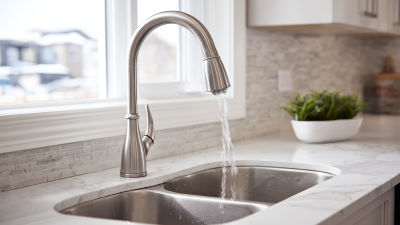
Choosing the right faucet involves knowing your sink style and needs. Some faucets feature high arcs for easy pot filling. Others have pull-down sprayers for versatile use. A mismatch can lead to frustration, especially if the faucet is too low for taller pots. Look for options with a solid metal body. Quality materials improve durability and performance.

Many homeowners overlook the importance of ease of installation. Some models come with complex setups, deterring a DIY approach. You might find yourself questioning the process halfway through. It’s crucial to weigh all these factors before making a decision. Ultimately, a faucet should blend design with practicality, offering both ease of use and style for your kitchen or bathroom.

Different Types of Sink Faucets Available

When choosing a sink faucet, various types are available, each offering unique benefits. The most common are single-handle faucets. They allow for easy temperature adjustments with minimal effort. You'll enjoy a streamlined design that suits many styles. However, they might lack some advanced features.


Another popular option is the pull-down or pull-out faucet. These models provide the flexibility of a spray nozzle. They are ideal for washing large pots or rinsing produce. On the downside, some users find them bulkier and harder to install.


Lastly, touchless faucets are gaining traction. They use motion sensors to activate water flow, promoting hygiene. However, their technology can sometimes be finicky, requiring regular maintenance. Choosing the right faucet depends on your needs and kitchen style. Consider functionality along with aesthetics for the best match.

Key Features to Consider When Choosing a Sink Faucet

Choosing the right sink faucet can greatly enhance your kitchen or bathroom experience. Key features play a significant role in making your decision. One crucial aspect is the faucet type, which can range from single-handle to dual-handle designs. Single-handle models are often easier to use, especially when your hands are full. Dual-handle faucets may offer more precise temperature control.

Material quality is another essential consideration. Stainless steel faucets are durable and resistant to rust. Conversely, plastic options are lightweight and budget-friendly. Think about how often you use your faucet. If you cook frequently, a sturdy model is essential.

Tips: Pay attention to the spout height and reach. A higher spout allows for larger pots and easier filling. Additionally, look for ease of installation. Some faucets come with mounting hardware. This can save time and stress during setup. Reflect on the design. A stylish faucet can be a focal point in your space. However, practicality should not be overlooked. Prioritize functionality without sacrificing aesthetics.

Material Options for Sink Faucets: Pros and Cons

When choosing a sink faucet, material plays a crucial role. The most common materials include stainless steel, brass, and plastic. Each has distinct characteristics that influence both functionality and durability.

Stainless steel faucets are popular due to their resistance to rust and corrosion. This material is easy to clean and maintain. However, it can be prone to scratches. Brass faucets offer an attractive, classic look. They are durable and can withstand high temperatures. Yet, brass can tarnish over time, requiring more upkeep.

Plastic faucets are lightweight and affordable, making them accessible for many homeowners. They resist rust and do not require polishing. However, they may not last as long and can look cheap compared to metal options. Weighing these pros and cons is essential for making an informed decision that aligns with your needs.

Material Options for Sink Faucets: Pros and Cons

Choosing the Right Style to Match Your Kitchen or Bathroom

Choosing the right style for a sink faucet can significantly impact the aesthetics of your kitchen or bathroom. Data from the American Institute of Architects (AIA) indicates that over 75% of homeowners view their kitchen and bathroom as key areas for improvement. Selecting a faucet that complements your design style is essential for a cohesive look.

When considering styles, a modern faucet tends to favor clean lines and smooth finishes. In contrast, traditional styles often feature ornate details and warm tones. A report from the National Kitchen & Bath Association (NKBA) suggests that nearly 60% of kitchen renovations prioritize these elements. Think about the color palette and materials in your space. A stainless steel faucet might clash with rustic wood cabinets.

Functional aspects also matter. Many faucets offer both style and performance, but not all styles serve practical purposes. A high-arc faucet enhances usability but may overwhelm small spaces. Researchers emphasize the importance of balancing form and function. Carefully assess the available space and the faucet mechanism to ensure that your choice fits seamlessly into your design vision.

Installation and Maintenance Tips for Sink Faucets

Installing and maintaining a sink faucet can seem daunting. However, with the right tips, you can make the process smoother. Start by ensuring you have the correct tools. This can include wrenches, screwdrivers, and plumber's tape. Being organized with your tools can save time and frustration.

When installing a faucet, follow the manufacturer’s instructions carefully. Make sure to turn off the water supply before you begin. Leaking connections are one common issue. If you find leaks after installation, tighten the connections slowly. Applying plumber's tape to threaded joints can also help prevent leaks.

Regular maintenance is key to keeping your sink faucet in good condition. Clean the aerator periodically to prevent clogs. If you notice decreased water flow, it might be time to clean or replace it. Be mindful of wear and tear on washers and seals. Addressing small issues promptly can prevent costly repairs down the line. It’s helpful to set reminders for maintenance tasks, ensuring you never overlook them.

Top Brands and Models: A Brief Overview of Recommendations

Choosing the right sink faucet is crucial for both functionality and aesthetics. When evaluating options, consider flow rates and materials used. A study by the Water Quality Association indicates that consumers should aim for faucets that offer a flow rate of 1.5 to 2.2 gallons per minute. This range balances water efficiency and pressure.

Top brands in the faucet market often recommend features like easy installation and durability. Popular finishes such as chrome and brushed nickel are frequently mentioned. Despite their appeal, these finishes can show fingerprints and water spots easily, requiring regular maintenance. Additionally, some models might present installation challenges, such as needing specific tools or plumbing skills.

In terms of model choices, options with pull-down sprayers are gaining traction. They offer versatility in functionality, yet some users note that retractable hoses may wear out over time. Reviews indicate that not all faucets retain a steady spray pattern, causing frustration. Brands often promote their patented technologies, but consumer feedback highlights that real-world performance can sometimes fall short of expectations.

FAQS

: What are the essential parts of a sink faucet?

: The main parts include the spout, handle, and valve. They each serve a specific function in water flow.

How does the design of a faucet affect its usability?

Different designs, like high arcs or pull-down sprayers, impact how easily you can fill pots or adjust water temperature.

Why is the installation process important when choosing a faucet?

Some faucets have complex setups, making DIY installation challenging. A frustrating install can discourage use.

How do styles of faucets vary?

Modern faucets feature clean lines, while traditional ones have ornate details. This choice affects the room's aesthetics.

What materials should I look for in a quality faucet?

Solid metal bodies enhance durability and performance. Cheap materials might not last long or perform well.

How much water flow rate should I aim for?

A flow rate between 1.5 to 2.2 gallons per minute balances efficiency with pressure. Consider this when choosing.

Why should I consider space when picking a faucet?

A high-arc faucet may not fit well in a small area. Assess available space to avoid overwhelming your design.

Are all finishes practical and easy to maintain?

Popular finishes like chrome can show fingerprints. Regular cleaning is often necessary to keep them looking good.

Do all models perform reliably over time?

Some retractable hoses may wear out. Reviews suggest that performance can be inconsistent, so research is key.

What is the common issue reported by users regarding faucet performance?

Users have noted that not all faucets maintain a steady spray pattern, leading to potential frustration in use.

Conclusion

A sink faucet is an essential fixture in kitchens and bathrooms, providing both functionality and style. Understanding the basics of sink faucets involves exploring the various types available, including single-handle, double-handle, pull-down, and touchless models. When choosing the best sink faucet, key features such as water flow rate, ease of use, and durability should be considered, along with the material options that come with their own pros and cons.

In addition, selecting a style that complements your decor is crucial for a cohesive look. Installation and maintenance tips can help ensure your sink faucet performs well over time. Ultimately, being informed about the various choices and features will aid in selecting a sink faucet that not only meets your practical needs but also enhances your space aesthetically.

Alexandra

Alexandra

Alexandra is a dedicated marketing professional at Jiangmen Yingtao Kitchen & Bathroom Co., Ltd., a manufacturer and exporter established in 2010, specializing in high-quality kitchen sinks. With a deep understanding of the industry, Alexandra plays a key role in driving the company's mission to......
Previous How to Choose the Perfect Kitchen Sink for Your Home?